

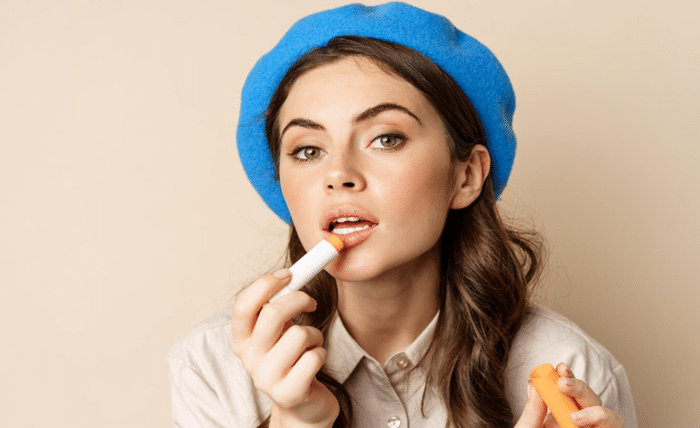
Most of us reach for lip balm when frosty mornings arrive, yet plenty of people find their lips feel tightest in January, after a day of salty swims, air-conditioned offices and afternoon sea breezes.
Understanding why the warm months take such a toll makes it far easier to choose a routine, and an ingredient, that keeps your smile soft right through to autumn.
Lips play by different rules
The skin on your lips is noticeably thinner than the skin on your cheeks, and it has almost no oil glands of its own.
That means lips cannot top up their own protective layer the way your forehead or nose can, so moisture slips away quickly whenever conditions turn harsh.
Add constant talking, eating and drinking, and it is no surprise that lips are usually the first place dryness shows up.
The summer culprits nobody mentions
Sunshine is the obvious one, but it rarely acts alone.
Hours in chlorinated or salty water strip away the thin film that normally shields delicate lip skin, while wind at the beach or on the back of a boat speeds up evaporation.
Indoors, air conditioning pulls humidity out of the room, so you can swap a humid afternoon outside for desert-dry air in a matter of seconds.
Dehydration plays a role too, especially when long, hot days leave you drinking less water than your body really needs.
Then there is the reflex almost everyone has: licking dry lips. Saliva brings brief relief, but as it evaporates it can leave lips drier than before, starting a frustrating cycle.
What tallow brings to the table
Tallow is rendered animal fat, traditionally from cattle, and it has been used to soothe and protect skin for generations, long before modern petroleum-based balms arrived.
It is rich in fatty acids such as oleic, palmitic and stearic acid, a profile that resembles the natural lipids our own skin produces, which is one reason many people find it absorbs comfortably rather than sitting on top as a greasy coating.
Tallow from grass-fed cattle is also valued for containing fat-soluble vitamins, including A, D, E and K, which is why it has become a favourite among people looking for simpler, whole-ingredient skincare.
On lips, that rich texture helps form a soft barrier that slows moisture loss between applications, which is exactly what thin, oil-free skin needs when the weather is working against it.
A simple routine for sunny months
Apply balm before you head outdoors, not after the damage is done, so your lips start the day with a protective layer already in place.
Reapply after swimming, eating or towelling off, since water and food quickly wear the balm away.
Keep a tin in your beach bag, car console and desk drawer, because a balm left at home cannot help when your lips start to feel tight at 3pm.
Remember that a nourishing balm is not a sunscreen unless the label says so, so pair it with a dedicated SPF lip product during long stretches in the sun.
Before bed, a slightly thicker layer gives your lips several uninterrupted hours to recover while you sleep.
Habits that make a real difference
Sip water steadily through the day rather than gulping a bottle at dinner.
Resist peeling flaky bits, which can leave tender patches that sting in salty water.
Consider a humidifier if you sleep with air conditioning running all night.
If cracking, swelling or soreness persists despite good care, it is worth checking in with a GP or pharmacist, as ongoing lip problems can sometimes have other causes.
Choosing a balm worth carrying
Look for a short, recognisable ingredient list and a texture that melts at skin temperature without feeling waxy. A tallow lip balm is a natural fit for Australian summers, offering rich, comforting moisture in a pocket-sized tin that slips easily into a beach bag.
With a little forward planning, summer can be the season your lips feel their best rather than their worst.